What Are Sports Injuries?
Sports injuries happen when you get hurt while playing sports or being active. These injuries can affect muscles, bones, or joints. Sometimes, they happen suddenly. Other times, they build up over time. For example, a twisted ankle or a sore knee can both be sports injuries. In many cases, sports injury rehabilitation helps people heal and return to their favorite activities. According to the CDC, millions of people in the United States get sports injuries each year. Because of this, knowing how to recover safely is very important.
Common Types of Sports Injuries
Many types of sports injuries can occur. However, some are more common than others. These include:
Even minor injuries can become serious if not treated properly. Therefore, it is important to seek care early.
Why Rehabilitation Matters After a Sports Injury
After a sports injury, many people want to get back to activity quickly. However, skipping sports injury rehabilitation can lead to problems. For instance, you might heal slowly or get hurt again. The World Health Organization recommends proper rehab to help your body recover. In addition, rehabilitation can lower pain and help you move better. Without it, you may not regain full strength or flexibility. As a result, you might not play as well or enjoy your favorite sports.
Key Goals of Rehabilitation in Sports Injuries
Rehabilitation for sports injuries has several important goals. First, it helps reduce pain and swelling. Next, it aims to restore movement and strength. Also, it works to prevent future injuries. Some key goals include:
Because every injury is different, your rehab plan will match your needs. For example, a soccer player with a knee injury may focus on balance and leg strength.
Steps in the Rehabilitation Process
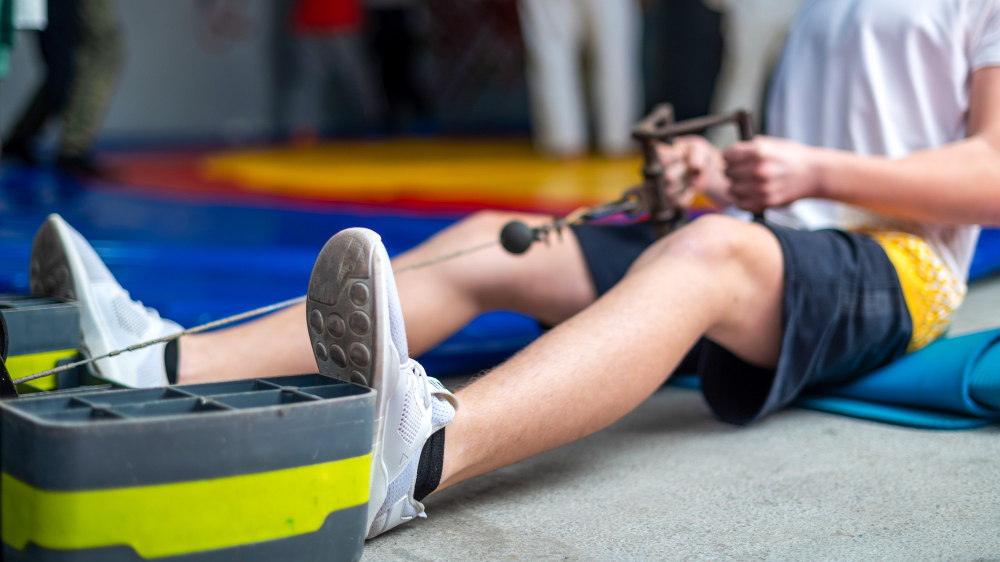
The rehabilitation process for athletes usually follows a few main steps. Each step helps your body heal and get stronger. For example, you may start with rest and gentle movement. Later, you add more active exercises. Here are common steps in sports injury rehabilitation:
Because each injury is unique, your healthcare provider will guide you through these steps. In many cases, physiotherapy for sports injuries is a key part of this process.
How Rehabilitation Supports a Safe Return to Activity
Rehabilitation helps you return to sports safely after an injury. For example, it teaches you how to move without pain. Also, it helps your muscles and joints work together again. This lowers your risk of getting hurt in the same way. According to sports medicine experts, athletes who complete rehab are less likely to have repeat injuries. In addition, rehab can boost your confidence. When you follow a plan, you know your body is ready for action. As a result, you can enjoy your favorite sports again with less worry.
Tips for Preventing Re-Injury During and After Rehabilitation
Staying safe during and after rehab is important. Because your body is healing, you need to take extra care. Here are some helpful tips:
Because prevention is key, always check with your healthcare provider before returning to full sports activity. In many cases, ongoing physiotherapy for sports injuries can help keep you strong and safe.
Conclusion
Dr.Sruthi is here to support your safe recovery. Schedule a consultation today and start your personalized rehabilitation journey for sports injuries.