Introduction
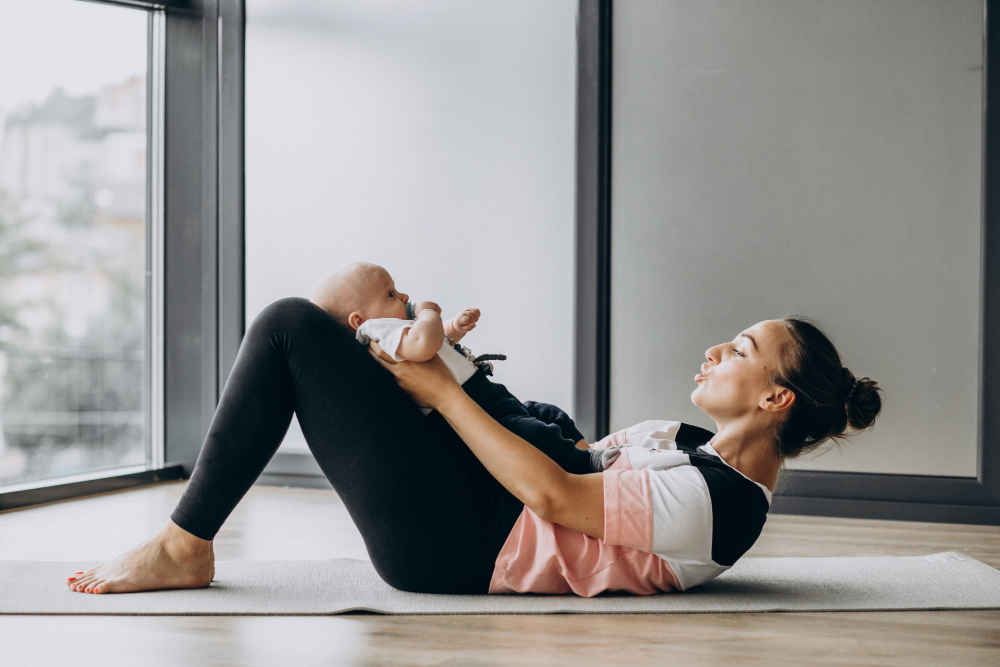
After giving birth, many women notice changes in their bodies. Postnatal physiotherapy is a special type of care that helps women recover after delivery. It focuses on rebuilding core and pelvic strength. Because your body goes through many changes during pregnancy and birth, this care is important for healing. In fact, experts like the World Health Organization (WHO) recommend early movement and gentle exercise after childbirth. With the right support, you can regain strength and feel better each day.
Common Core and Pelvic Issues After Delivery
Many women face muscle weakness after childbirth. For example, the core muscles and pelvic floor often become stretched or strained. As a result, you may notice:
Additionally, some women experience separation of the tummy muscles, called diastasis recti. These issues are common, but with postnatal physiotherapy, recovery is possible.
Symptoms and Signs of Weak Core or Pelvic Floor
It is helpful to know the signs of weak core or pelvic floor muscles. For instance, you might notice:
Because these symptoms can affect your daily life, early care is important. If you notice any of these signs, consider seeking help from a physiotherapist.
Causes and Risk Factors
Childbirth puts a lot of strain on the body. For example, the following factors can increase the risk of core and pelvic weakness:
Moreover, hormonal changes during pregnancy can also affect muscle strength. Each woman’s experience is unique, but these factors often play a role.
Diagnosis and Assessment Methods
Physiotherapists use gentle and safe methods to check your muscles. First, they may ask about your symptoms and medical history. Next, they might look at your posture and how you move. Sometimes, they gently press on your tummy or pelvic area to feel the muscles. In some cases, they may use a small device to check muscle strength. Because every woman is different, your assessment will be tailored to your needs. According to the American Physical Therapy Association, these checks are safe and effective for new mothers.
Evidence-Based Physiotherapy Treatments and Exercises
Postnatal physiotherapy uses proven methods to help you heal. For example, your physiotherapist may teach you:
Because every recovery is different, your plan will be made just for you. Research in medical journals shows that regular postpartum exercise can speed up recovery and reduce pain.
Lifestyle and Home Care Tips for Recovery
There are many ways to support your recovery at home. For instance, you can:
Additionally, using good posture when feeding or lifting your baby can help. If you are unsure about any activity, ask your physiotherapist for advice.
Prevention of Future Issues
Taking care of your core and pelvic floor now can help prevent problems later. For example, keep doing your exercises even after you feel better. Also, try to stay active with walking or light movement. If you plan to have more children, strong muscles can make future recoveries easier. According to the CDC, regular exercise is safe for most women after delivery, but always check with your doctor first.
When to Seek Professional Help
Sometimes, you may need extra support. For instance, seek help if you notice:
Because early care leads to better outcomes, do not wait to ask for help. A physiotherapist can guide you safely through your recovery journey.