What Is Stroke Rehabilitation?
Stroke rehabilitation is a set of treatments that help people recover after a stroke. After a stroke, many people lose movement or strength on one side of the body. Because of this, daily activities can become hard. Stroke rehabilitation uses special exercises and therapies to help people regain skills. According to the World Health Organization (WHO), early rehabilitation can improve recovery and quality of life. In many cities, stroke rehabilitation programs are available in hospitals and clinics. These programs often include physiotherapy, which is key for better recovery.
Common Symptoms After a Stroke
After a stroke, people may notice many changes in their bodies. For example, some may have weakness or numbness on one side. Others might find it hard to speak or understand words. In addition, balance and walking can become difficult. Because of these changes, everyday tasks like eating, dressing, or bathing may take longer. Common symptoms include:
Although symptoms can vary, stroke rehabilitation helps address these challenges.
Goals of Physiotherapy in Stroke Recovery
Physiotherapy for stroke patients focuses on helping people regain movement and independence. First, therapists set clear goals for each person. These goals often include:
Because every stroke is different, physiotherapists create a plan that fits each person’s needs. With regular sessions, people can see steady progress.
Key Physiotherapy Approaches for Stroke Rehabilitation
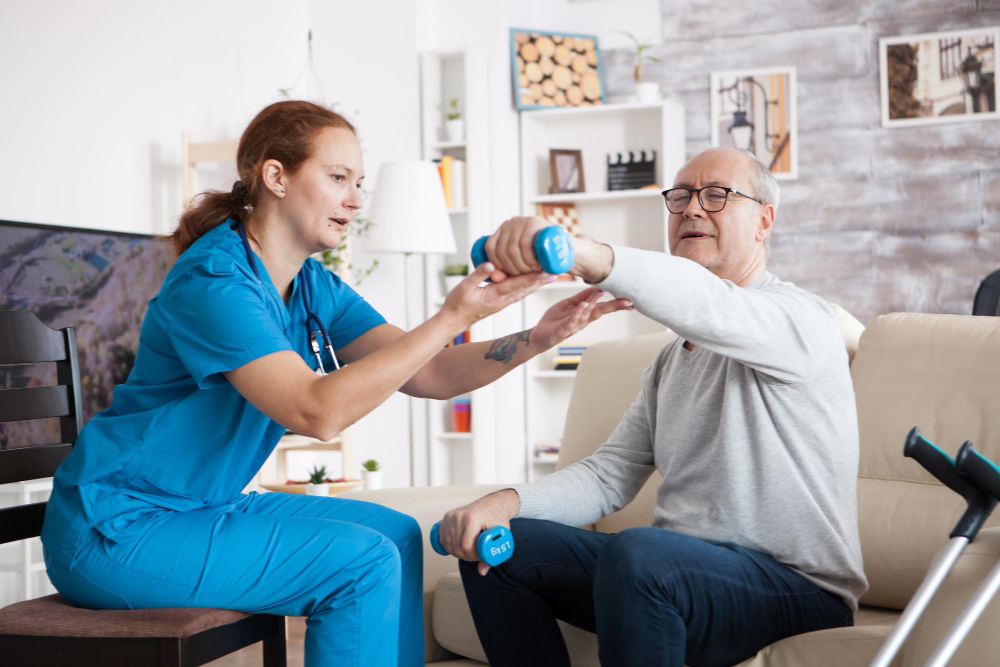
Physiotherapists use many evidence-based techniques to support stroke recovery. For example, mobility training helps people learn to walk again. In addition, strength exercises target weak muscles. Some common approaches include:
Sometimes, therapists use tools like walkers or canes to help with movement. Because each person recovers at a different pace, exercises are adjusted as needed. According to the CDC, starting physiotherapy early can lead to better results.
How Physiotherapy Supports Long-Term Recovery
After the first stage of stroke rehabilitation, ongoing physiotherapy remains important. Over time, regular sessions help maintain and build on progress. In many cases, a team of experts works together. This team may include physiotherapists, doctors, speech therapists, and occupational therapists. Together, they create a plan that covers all areas of recovery. For example, while physiotherapists focus on movement, others help with speech or daily skills. Because teamwork is key, patients often feel more supported and motivated.
Tips for Maximizing Recovery at Home
Even after leaving the hospital, recovery continues at home. With the right steps, people can keep improving. Here are some tips:
Because home routines matter, sticking to a plan can make a big difference. If you live in a city with community rehab programs, ask about extra support.
Preventing Complications After Stroke
After a stroke, some problems can develop if care is not taken. For example, muscles may become tight, leading to contractures. In addition, people may be at higher risk of falls. To prevent these issues, physiotherapists teach safe movement and stretching. Other ways to lower risks include:
Because prevention is key, regular check-ins with your care team help catch problems early. The CDC and WHO recommend ongoing care to avoid complications and support long-term health.